Choosing restroom trailers over traditional options brings several eco-friendly advantages, underscoring our commitment to environmentally conscious solutions. Firstly, restroom trailers often incorporate innovative technologies such as low-flow fixtures and waterless urinals that minimize water consumption—one of the most critical resources in sustainable living. Because they can operate on a closed system, these trailers also reduce the exposure and mishandling of gray water compared to traditional plumbing systems, thus protecting water tables and local ecosystems. Furthermore, restroom trailers are designed to be energy-efficient, often featuring LED lighting, solar panels, and efficient HVAC systems for reduced energy usage. The materials used in their construction are frequently sourced sustainably, and their modular design ensures that resources used during manufacturing, installation, and maintenance are minimized. Their ability to be relocated and reused in different events without significant environmental disruption further adds to their eco-friendliness. This mobility reduces the need for permanent restroom structures, which can be resource-intensive to build and maintain. By avoiding permanent installations, restroom trailers diminish the environmental impact that traditional construction would impose on natural landscapes, helping preserve spaces for regional flora and fauna. On top of that, maintenance procedures for restroom trailers have been streamlined to use eco-friendly cleaning agents and methods that ensure sanitary conditions without introducing harsh chemicals into the environment. These cleaning practices support responsible waste management, ensuring that wastewater and other by-products are treated and disposed of safely. From minimizing water usage to ensuring energy efficiency and using sustainable materials, restroom trailers offer an eco-conscious alternative for event organizers looking to minimize their footprint.

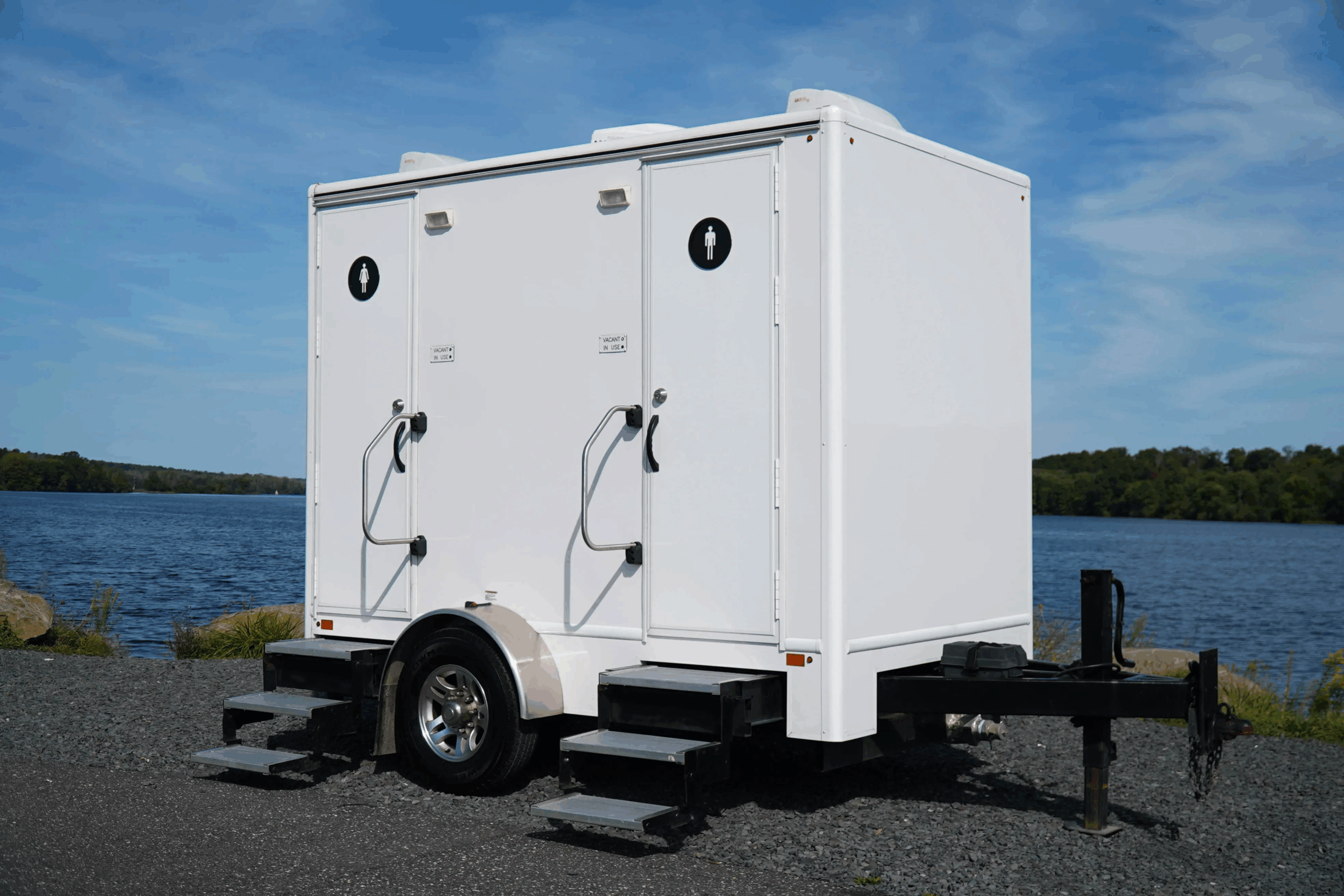
Restroom Trailer Rentals in Tullahoma, Tennessee
Call today for a free quote (423) 719-5081
Restroom Trailer
Fast, Easy, & 100% Free To Get Started
Years of Trusted Service
With decades of industry experience, we proudly serve Tullahoma, upholding quality and strengthening community ties. Our rich history underscores our reliability and unwavering commitment to customer satisfaction.
Exceptional Quality Assurance
Our restroom trailers are meticulously maintained to provide the highest standards of hygiene and comfort, ensuring a superior service experience.
Swift and Efficient Delivery
Benefit from our rapid deployment services, bringing top-quality restroom trailers to your location with unmatched speed and reliability.
Premium Restroom Trailer Services in Tullahoma
Call for a Free Quote Today
(423) 719-5081
Discover the finest in comfort and sanitation with our restroom trailers, proudly serving Tullahoma, Tennessee, and its surrounding areas. Locally owned and committed to excellence, our company ensures dependable and reliable solutions for all occasions. Whether you're hosting an elegant wedding, a bustling festival, or a vibrant backyard party, we provide the perfect restroom setup. Our trailers are designed to enhance any event, guaranteeing the cleanliness and convenience that your guests deserve. We cater to both small and large gatherings with equal dedication and care. With a reputation built on trust and quality, choose us for your next event and experience unparalleled service. We're here to make every occasion a seamless and stress-free experience.
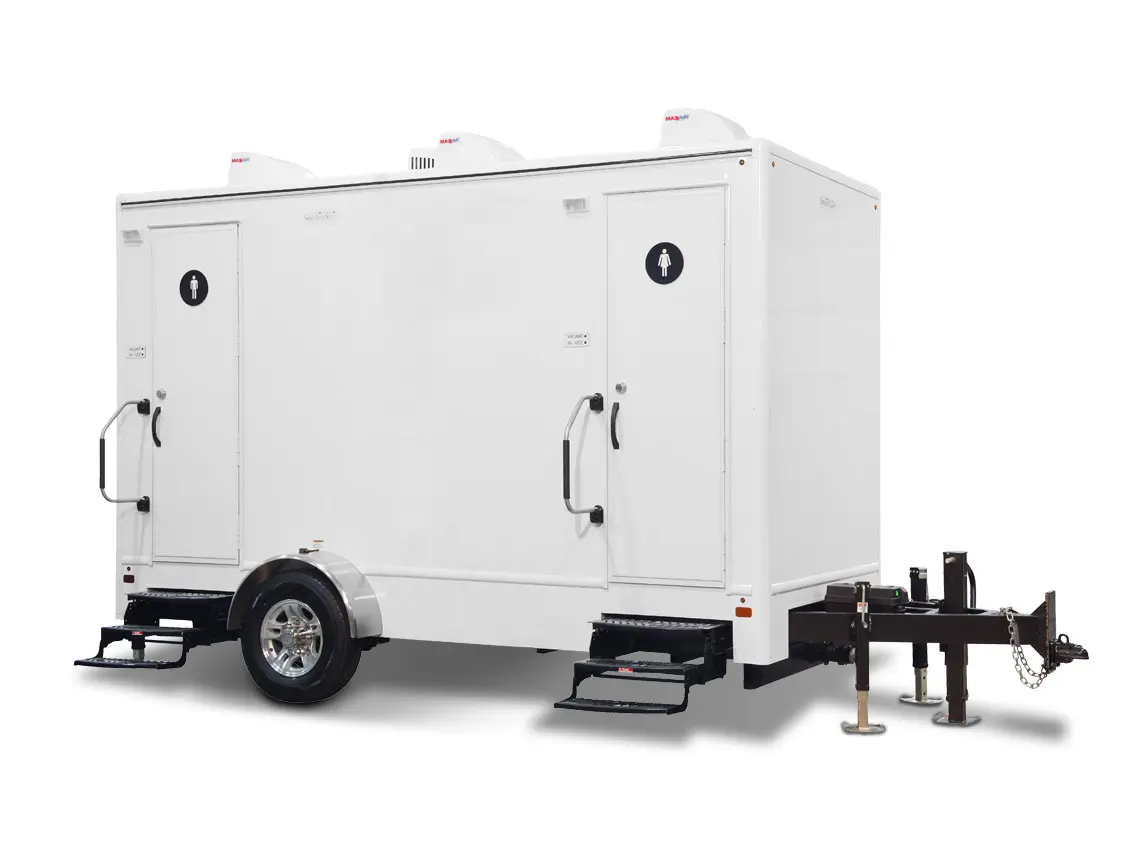
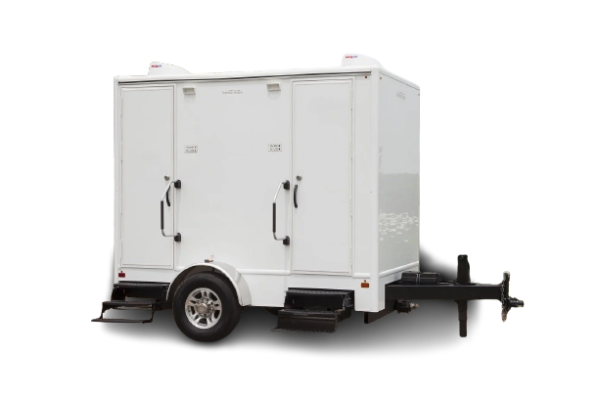
2 RestroomsA compact, stylish solution featuring separate entrances for men and women.Each private suite includes flushing toilets, sinks with running water, interior lighting, and climate control for comfort at any event or worksite.(We offer variants 2–10 stalls.)
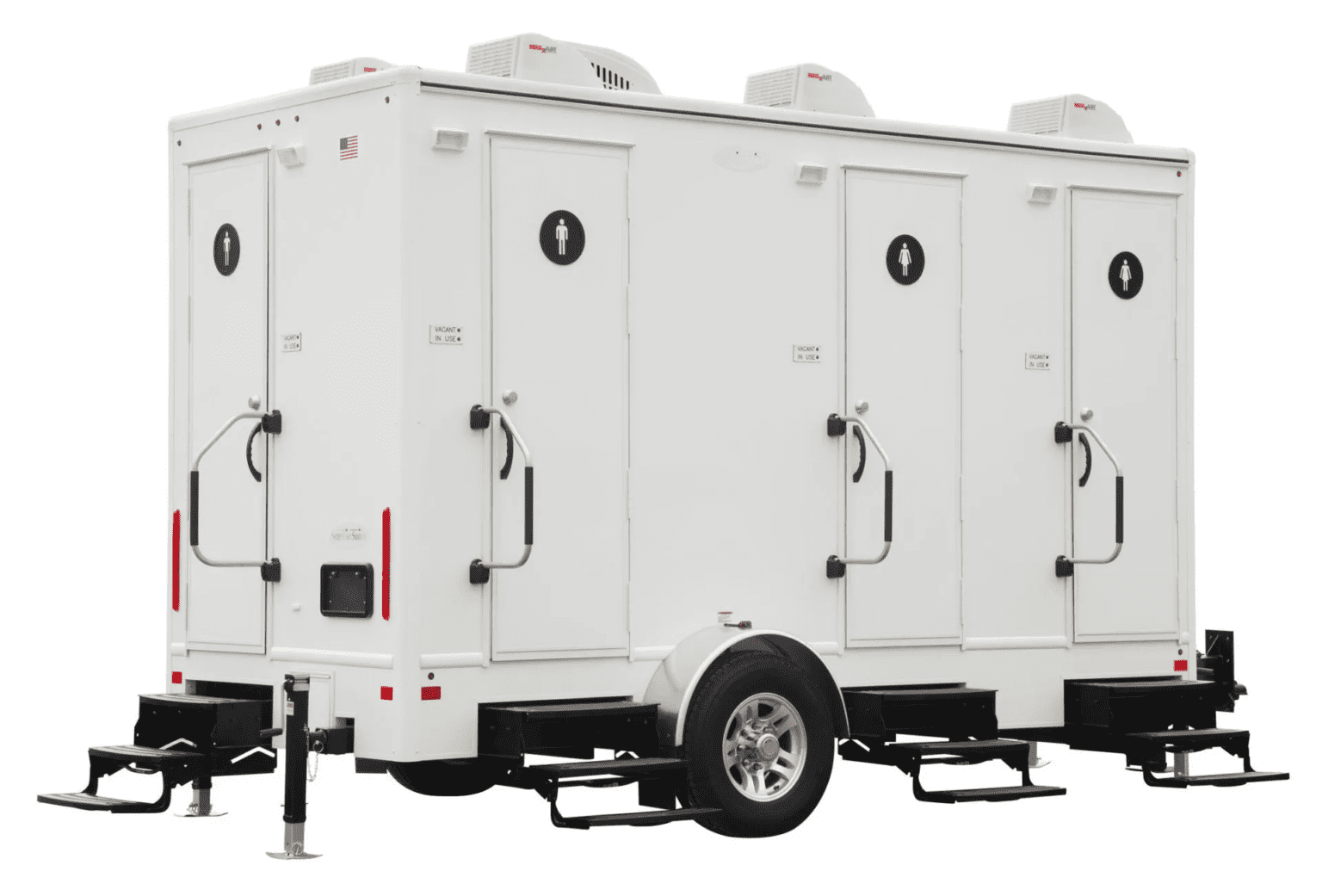
4 RestroomsDesigned for higher guest capacity, this unit offers four private, individual restrooms with flushing toilets, sinks with running water, interior lighting, and climate control.Ideal for weddings, festivals, and busy job sites.(We offer variants 2–10 stalls.)
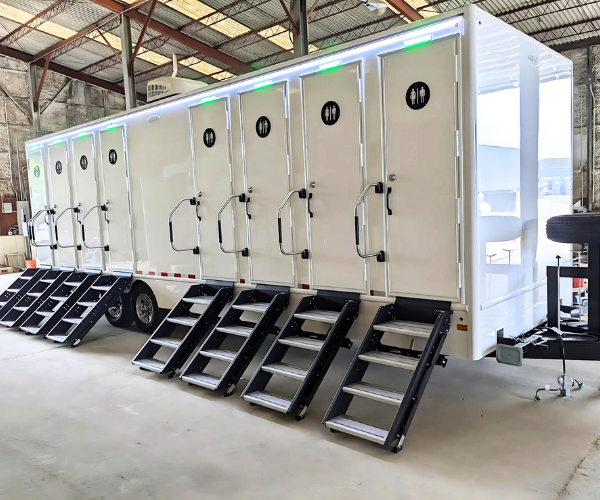
8 RestroomsPerfect for large events and high-traffic sites, this spacious trailer provides eight private stalls, each with a flushing toilet, sink with running water, interior lighting, and climate control.A reliable, upscale solution for maximum convenience and comfort.(We offer variants 2–10 stalls.)
We Proudly Serve
Standard Portable Toilets
Standard Portable Toilets bring convenience and cleanliness to any event in Tennessee, courtesy of The Bolles Co.
High Rise Portable Toilets
High Rise Portable Toilets ensure hygienic solutions in Tullahoma's towering settings.
Restroom Trailers
The Bolles Co offers luxury Restroom Trailers, providing comfort for events in Tullahoma.
Roll off Dumpsters
Roll off Dumpsters from The Bolles Co keep your Tullahoma events spotless and organized.
Septic Tank Cleaning
Ensure the safety and efficiency of your waste systems with The Bolles Co's Septic Tank Cleaning in Tennessee.
Grease Trap Cleaning
Grease Trap Cleaning in Tullahoma ensures compliance and cleanliness with The Bolles Co.
Fencing & Barricades
Fencing & Barricades from The Bolles Co provide security solutions across Tennessee.
Residential Storage
Secure and convenient Residential Storage solutions now available in Tullahoma.
Tullahoma Restroom Trailer and Event Services
Getting a quote and arranging delivery for a restroom trailer has never been more convenient. With user-friendly forms available at both the top and bottom of our website pages, securing your rental is just a few clicks away. Our process is designed to be seamless and customer-friendly, ensuring that every step from inquiry to delivery is smooth and efficient. The 'Get A Quote' buttons strategically placed throughout our site offer an immediate and straightforward path to acquiring the necessary information for your rental needs. Each form requires minimal effort to complete, asking only for basic contact information such as your first and last name, phone number, and email address. This simplicity removes unnecessary barriers, making it easier than ever to obtain a quote. Once submitted, our responsive team acts promptly, providing detailed quotes and answering any additional queries you might have about our restroom trailers. Delivery is another aspect where we excel, adhering to the highest standards of punctuality and professionalism. We recognize that timely delivery is crucial for the success of your event, and we prioritize every client's schedule and requirements. Whether it's a last-minute request or a pre-planned event, our logistics ensure that your restroom trailers arrive on time and in perfect condition, ready to serve your guests. For those organizing large scale festivals or intimate family events, knowing that dependable restroom facilities will be available on site provides peace of mind. With options ranging from standard models to luxury units, we can tailor our offerings to match the specific tone and scale of your event. The versatility and convenience of our restroom trailers make them an ideal choice for any occasion.
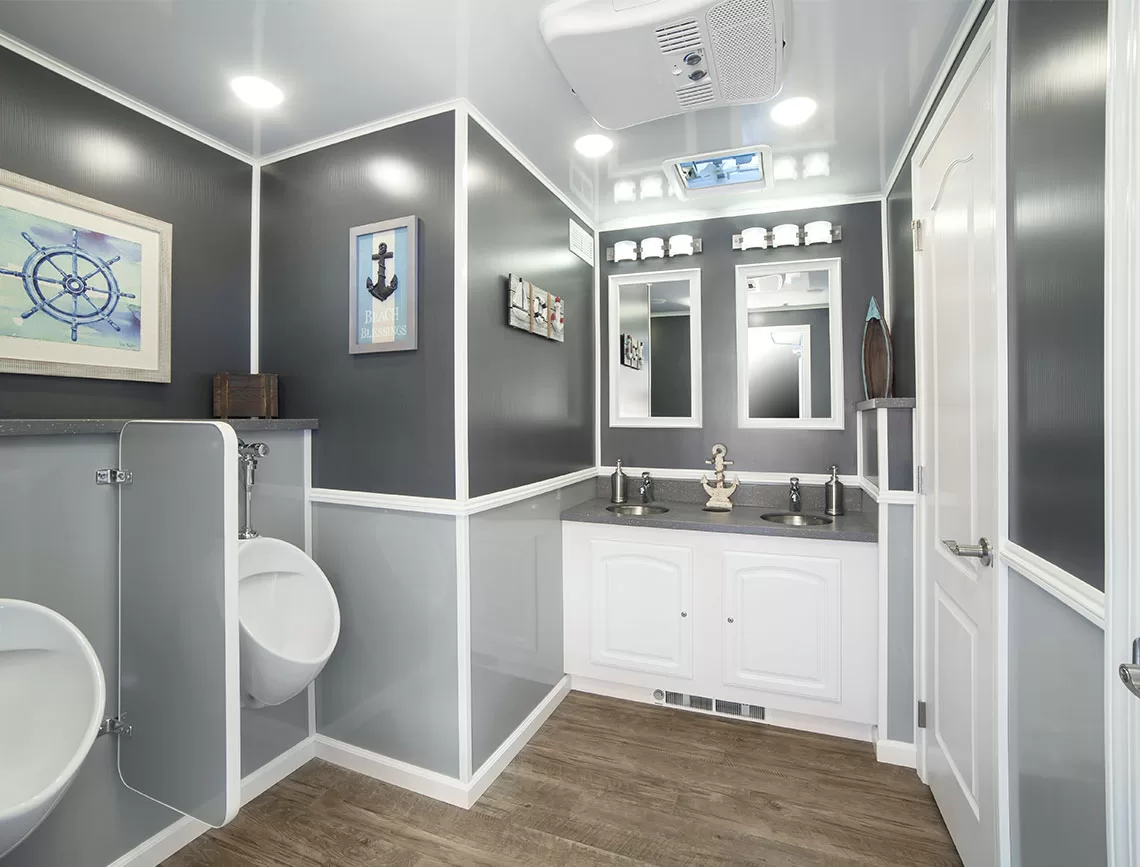
Tucked away in the heart of Tennessee, Tullahoma offers a unique blend of small-town charm and vibrant outdoor attractions. From the renowned Beechcraft Heritage Museum to the scenic beauty surrounding the annual Tullahoma Air Show, this community embraces both locals and visitors with open arms. Our Restroom Trailer services align perfectly with Tullahoma's inviting spirit, offering clean, reliable, and convenient solutions that enhance any gathering. Whether you're attending the bustling 41A Music Festival or enjoying a tranquil picnic at Short Springs Natural Area, having accessible and comfortable restroom facilities makes all the difference. Our trailers are perfectly suited for a range of settings—from community events to personal celebrations—providing premium amenities in Tullahoma's picturesque surroundings. Imagine hosting a wedding surrounded by the natural beauty of Tullahoma, with our luxury restroom trailers ensuring your guests' comfort. Our commitment to maintaining high standards guarantees that your event will proceed smoothly, with facilities that reflect your dedication to detail and quality. Experience the ideal balance of local charm and exceptional service by choosing our restroom trailer solutions.
The Perfect Choice for Tullahoma For residents of Tullahoma seeking top-tier restroom solutions, our company is the unparalleled leader in the field. With a focus on customer satisfaction, quality, and community integration, our Restroom Trailer services are tailored to meet the diverse needs of this region.Why Choose Us Our dedication to excellence is evident in every aspect of our service. From the initial inquiry to the final setup, we prioritize reliability and efficiency. Our trailers offer not only luxurious amenities but are also a testament to our unwavering commitment to quality. Experience the best in restroom solutions with a service that understands and respects the unique character of Tullahoma.
Fast and Reliable Options When it comes to providing quick and efficient restroom solutions, our service stands out as a leader. Recognized for our promptness and attention to detail, we ensure that our Restroom Trailer services meet the highest standards of reliability.Customer Commitment Equipped with the latest amenities and features, our trailers are readily available to serve clients across Tullahoma swiftly and effectively. We understand the importance of time-sensitive requests and are committed to making sure you receive your units as planned. Experience timely delivery and exemplary service with us.
Discover More About Our Restroom Trailer in Tullahoma
Renting a restroom trailer in Tullahoma is a straightforward process designed to meet your needs with ease. Start by visiting our website where a simple form awaits at both the top and bottom of the pages, as well as strategically placed 'Get A Quote' buttons for your convenience. These tools are designed to streamline your rental process. Filling out the form is quick and requires basic information: provide your first and last name, phone number, and email address. This information helps us tailor our services to your specific needs and create a seamless transaction. Upon form submission, our customer service team is alerted and will contact you promptly to discuss your requirements and confirm the details. Our team offers complete guidance on selecting the right restroom trailer for your event, accommodating any specific needs you might have. Whether you are planning an intimate gathering or a large-scale event, our solutions are customized to suit a variety of occasions. Prompt service and clear communication form the foundation of our customer interactions. Once your rental has been finalized, we dedicate resources to ensuring swift delivery and setup of your restroom trailer at your desired location in Tullahoma. Our expert team will handle all logistical aspects, leaving you free to focus on other event details. Restroom trailers remain versatile and convenient, making them an essential component of your event planning process. Experience hassle-free rental and exemplary customer support by choosing our restroom trailer services in Tullahoma. We aim to exceed your expectations at every step, from initial quote requests to the final setup, ensuring your event runs smoothly and successfully.
The delivery timeframe for restroom trailer orders is a vital aspect of our service designed with our clients' schedules in mind. Typically, we ensure that our trailers are delivered promptly within a window that aligns with your event requirements—often within days of finalizing the rental agreement. Our team understands the importance of punctuality, and we prioritize early setup to give you peace of mind. During the booking process, you can specify your preferred delivery date and time, which helps our logistics team plan the most effective route and schedule for your event. Coordinating closely with you, we strive to accommodate last-minute adjustments whenever possible, emphasizing our commitment to flexibility and customer satisfaction. Once your order is confirmed, comprehensive planning kicks in, allowing us to offer reliable delivery exactly when and where you need it. Our expertly trained staff manage the entire setup on site, ensuring that every detail meets your expectations for quality and efficiency. This service includes not just timely delivery, but also detailed setup to ensure your event goes off without a hitch. We provide transparent communication throughout the process, keeping you informed at every stage from dispatch to completion of setup. You can count on our experienced team to handle all logistics effectively, handling unexpected contingencies with professional care and attentiveness. Whether unanticipated delays occur or special requirements arise, we manage all aspects to maintain our high standards of service. Quick delivery writeup Our consistent ability to promptly deliver restroom trailers has made us a trusted partner for events all around Tullahoma. Trust in our expertise warrants trouble-free delivery, and our commitment ensures that every restroom trailer is ready and operational exactly when you need it, leaving you confident that our service will enhance your event.
Yes, we are fully capable of servicing all types of events and construction services with our comprehensive range of products. Regardless of the scale or nature of your event, from grand festivals to intimate weddings, we have the right solution to accommodate your needs. Our luxury restroom trailers provide the upscale refinement necessary for weddings and corporate events, while our versatile porta-potties and ADA units ensure accessibility and convenience across all venues. Our solutions also extend to bustling sporting events, lively family reunions, and exclusive VIP gatherings. In addition to our restroom facilities, we enhance event logistics with our roll-off dumpsters, portable sinks, and hand sanitization stations, ensuring that every aspect of your event meets the highest standards of hygiene and cleanliness. For construction sites, our offerings include secure barricades and fencing, holding tanks, and more. This diverse lineup allows us to deliver comprehensive support tailored to the rigorous demands of construction environments, making us the preferred partner for project managers seeking reliable and durable solutions. Every product we offer is backed by meticulous maintenance and service readiness, delivering confidence and peace of mind regardless of the setting. Our professional team dedicates attention to every client's specific needs, offering flexible schedules and rapid deployment for urgent requirements. With a broad array of restroom solutions and support equipment, we ensure that every event or construction project is successfully managed, allowing our clients to focus on other priorities while relying on our proven expertise and reliability.
