Portable toilets offer considerable eco-friendly advantages, promoting sustainability and conservation. By efficiently using water, each unit significantly reduces the wastewater output compared to traditional flushing toilets, which can be particularly impactful in regions with water scarcity. Modern portable toilets also utilize biodegradable chemicals, breaking down waste in an environmentally responsible manner, aiding the natural cycle without harming the ecosystem. Their design, emphasizing minimal water usage and effective waste decomposition, underscores their role in environmentally sustainable sanitation solutions. Moreover, portable toilets eliminate the need for extensive plumbing infrastructure, thereby reducing construction resource consumption and environmental disturbance. This benefit is particularly notable in remote or natural landscapes and for temporary events, where preserving the surrounding environment is crucial. Lastly, the materials used in constructing portable toilets are durable and recyclable, promoting a circular economy by reducing landfill waste and encouraging reuse and recycling practices in their lifecycle. Choosing portable toilets at events or construction sites thus aligns with broader sustainability goals, highlighting their importance in eco-conscious planning and operational strategies. These advantages make portable toilets an excellent choice for environmentally-responsible sanitation services, celebrated for both their efficiency and minimal environmental impact.

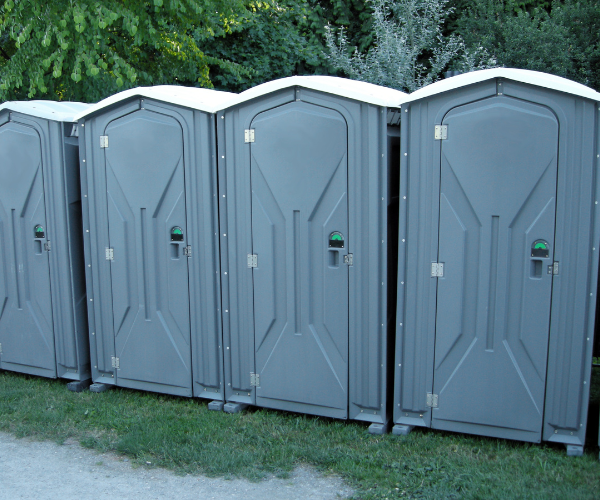
Portable Toilet Rentals in Rydal, Tennessee
Call today for a free quote (423) 719-5081
Portable Toilet
Fast, Easy, & 100% Free To Get Started
Decades of Experience
For more than 20 years, our portable toilet company has been a trusted fixture in Rydal. We are dedicated to quality and maintain strong community connections, providing the reliable service our customers depend on.
Commitment to Quality
Our portable toilet services set the bar for quality. We meticulously maintain each unit to the highest standards, guaranteeing a clean and sanitary experience for every user.
Prompt Delivery Solutions
We offer fast and reliable delivery of portable toilets, ensuring you have access to essential amenities when you need them the most. Our team works efficiently to fulfill all orders promptly.
Reliable Portable Toilet Solutions in Rydal
Call for a Free Quote Today
(423) 719-5081
Located in the heart of Rydal, Tennessee, our portable toilet company prides itself on being dependable and locally owned. Catering to nearby areas, we specialize in providing essential sanitation services for various events, including construction sites, parties, festivals, and weddings. Our reputation is built on reliable service, ensuring every unit is clean and ready for use. Our close ties to the community help us understand local needs and exceed expectations, guaranteeing satisfaction. We prioritize prompt delivery and thorough maintenance, making us the preferred choice for all your portable toilet needs.
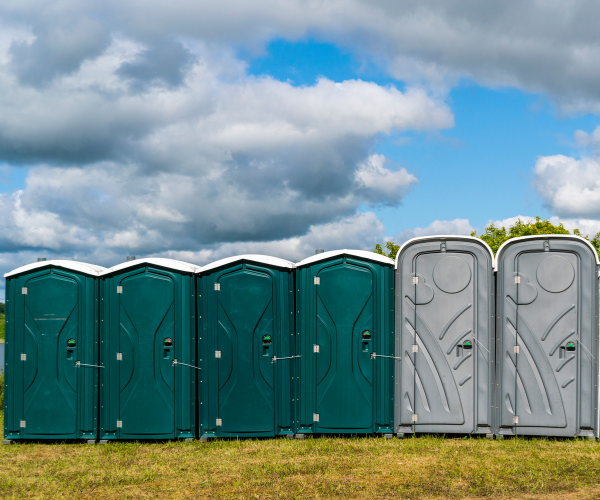
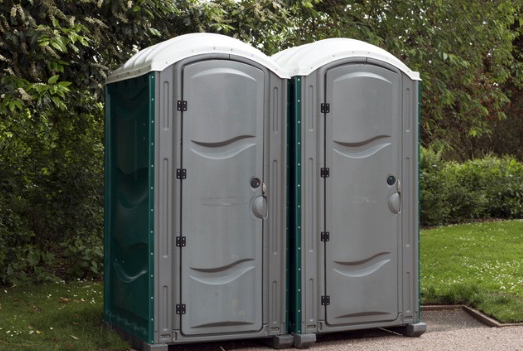
Standard Portable ToiletOur standard porta john rental units are durable and reliable for any commercial build site, housing development, public works project, or remodel job.Features include dome lighting, grated floors, and an “In-Use” locking mechanism for privacy and comfort.Regularly maintained, inspected, and cleaned by FusionSite at your location.
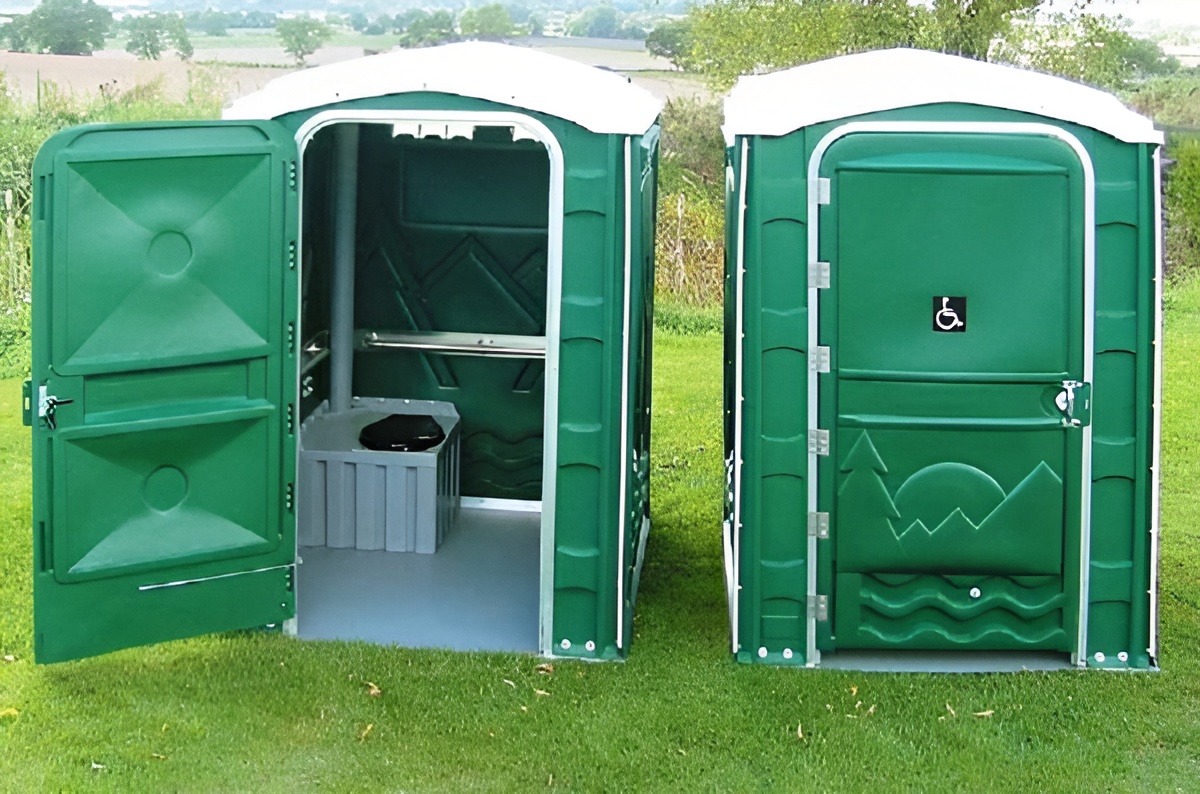
Wheelchair Accessible RestroomsDeveloped as an alternative to full ADA-compliant restrooms, the Liberty is a spacious, wheelchair-accessible unit that can also be promoted as a family-sized restroom.Includes a patented flat-floor system for easy wheelchair access and maneuverability.Handrails, paper holder, and rotary latch are designed for simple, intuitive end-user operation.
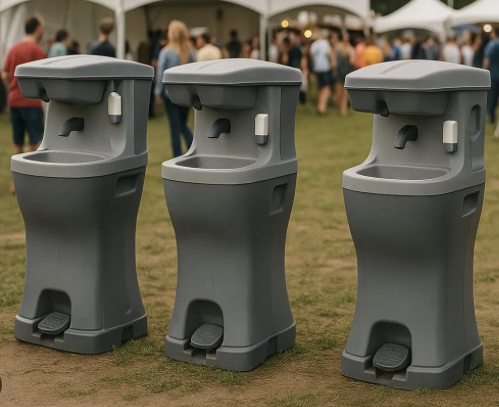
Portable SinkPortable hand washing stations are essential for keeping your work site sanitary and clean.Features hands-free foot pumps, liquid soap, and paper towels.Perfect for job sites without water hookups, these units can handle hundreds of washes between services.
We Proudly Serve
Standard Portable Toilets
Standard Portable Toilets provide essential cleanliness and reliability for events in The Bolles Co, Tennessee.
High Rise Portable Toilets
High Rise Portable Toilets service high-rise projects in Rydal, offering space-efficient solutions.
Restroom Trailers
Restroom Trailers at Rydal for The Bolles Co offer luxury amenities and unparalleled convenience.
Roll off Dumpsters
Roll off Dumpsters from The Bolles Co in Rydal ensure waste management solutions that are efficient and eco-friendly.
Septic Tank Cleaning
Septic Tank Cleaning by The Bolles Co in Tennessee ensures pristine, operational systems.
Grease Trap Cleaning
Grease Trap Cleaning in Rydal, Tennessee, keeps your systems compliant and efficient.
Fencing & Barricades
Fencing & Barricades by The Bolles Co provide security and organization for any event in Tennessee.
Residential Storage
Residential Storage solutions in Rydal, Tennessee, guarantee safe and accessible storage options.
Rydal Portable Toilets and More
Obtaining a quote for a portable toilet rental is both easy and convenient. Simply navigate to the 'Get A Quote' section on our website and fill out the brief form. By entering your contact details, such as name, phone number, and email, you'll receive a personalized estimate tailored to your needs. Our dedicated team is committed to answering inquiries promptly, ensuring a smooth rental process from start to finish. Enjoy peace of mind with transparent pricing and no hidden fees. Delivery is equally straightforward; we coordinate closely with you to select a date and time that best suits your schedule. With a focus on customer convenience and satisfaction, we make it effortless to secure portable toilet services for any event.
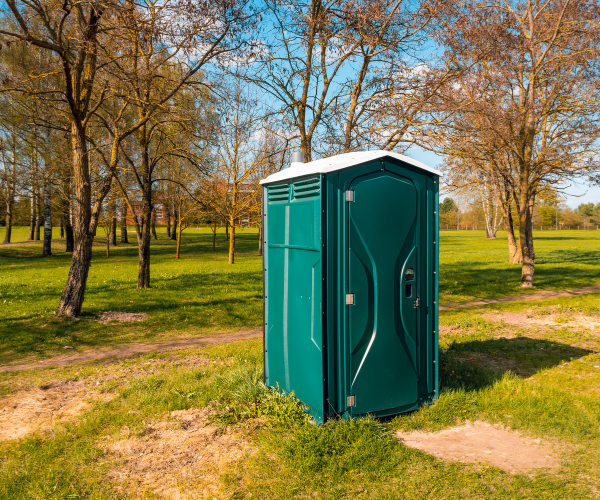
Rydal, known for its picturesque landscapes and lively spirit, offers a captivating backdrop for outdoor events such as the annual Rydal Fall Festival. Our portable toilets provide essential convenience and maintain cleanliness amidst the natural beauty, ensuring guests enjoy their time at Rydal's well-loved attractions. Whether you're exploring the trails around Pumpkinvine Creek or joining community gatherings, our reliable sanitation solutions contribute to a seamless experience. We are dedicated to providing clean, sanitary portable toilets that blend perfectly with Rydal's charm. From vibrant festivals to intimate weddings, our services enhance the ambiance, allowing you to focus on your event while ensuring your guests’ comfort. Discover how our portable toilets fit impeccably into Rydal’s vibrant scene, offering vital amenities for any occasion. Choose us for dependable service and a dedication to enhancing every event in Rydal.
We take pride in being Rydal's top choice for portable toilet services. Our extensive industry experience, combined with a deep understanding of local needs, positions us at the forefront of customer satisfaction. Residents appreciate our attention to detail and community-driven service. Offering a range of options from standard portable toilets to premium restroom trailers, our solutions cater to diverse events. By prioritizing cleanliness and reliability, we ensure a worry-free experience. When it comes to portable toilet services, choose the company that sets the standard in Rydal for quality and customer satisfaction. Our commitment to excellence makes us the preferred provider in the Tennessee area.
Fast and reliable, our company stands out in the portable toilet services sector. Through efficient logistics and a dedicated team, we consistently deliver quickly and without hassle. We offer a variety of portable toilet options tailored to different requirements, ensuring reliability while maintaining top quality. Count on our dependable services to elevate any event or construction site. Your satisfaction is our priority; we ensure swift service and provide clean, ready-to-use portable toilets.
Learn about Our Portable Toilets in Rydal
Renting a portable toilet in Rydal is made easy with our streamlined process. First, you can visit our website, where you'll find forms at the top and bottom of the page dedicated to rental requests. Begin by clicking any 'Get A Quote' button, conveniently located throughout the site to access the necessary form. Once there, simply fill in your first and last name, phone number, and email address. This basic information allows us to contact you with customized rental options tailored to your needs. Our team is attentive and quick to respond, ensuring you receive a prompt quote and comprehensive service details. Personal interaction is a key facet of our business, promising both efficiency and reliability from initial contact through to service fulfillment. By choosing us, you're selecting a reputable, customer-centric provider, dedicated to meeting your sanitation needs accurately and on schedule.
When ordering portable toilets, delivery timeframes are a pivotal concern, and we are committed to ensuring prompt service. Upon receiving your order, our team coordinates with you to establish an ideal delivery date, aiming to fit seamlessly into your schedule. Typically, orders placed with us are prepared and dispatched swiftly, with standard delivery occurring within 48 hours under normal circumstances. However, we understand that every event and construction project operates differently, and as such, faster delivery options are available for urgent requests. Additionally, we maintain a flexible approach, ready to adjust our delivery parameters to suit unique client needs or unforeseen changes. Communication is open and ongoing throughout the delivery process, from initial scheduling to final setup on site, ensuring that each step is transparent and the service is reliable. Our objective is to provide a hassle-free experience, underpinned by professional advisement so that receiving portable toilets is one less concern in your event or project planning.
Yes, we are equipped to service any type of event or construction site. Our portfolio includes events like festivals, sporting events, weddings, and corporate gatherings, as well as family reunions and any other special occasions. Our comprehensive rental services include luxury restroom trailers, standard porta potties, roll-off dumpsters, fencing, barricades, holding tanks, ADA-compliant units, and portable sinks or hand sanitizer stations to accommodate diverse needs. We adapt our offerings to meet various client demands, ensuring that every aspect of sanitation and convenience is covered. With extensive experience in managing diverse environments, our team is adept at customizing setups and providing solutions tailored specifically to the nature of your event or construction requirements. Our goal is to deliver seamless, reliable service, complemented by high-quality sanitation products, to enhance guest experience and operational efficiency. Trust us to deliver responsive, professional service backed by years of expertise and a commitment to excellence in the sanitation industry.
