Storage containers offer a remarkable range of eco-friendly advantages, providing a sustainable solution for various storage needs. Firstly, by choosing to use storage containers, we significantly reduce the need for new materials. The steel used is often recycled, meaning that the energy and resources typically expended in creating new steel is conserved. This contributes not just to cost efficiency, but to environmental sustainability by minimizing excessive mining and resource extraction processes.In addition to being constructed from recycled materials, storage containers often have a longer lifecycle compared to other storage options, meaning they can be reused for different purposes over several decades without significant degradation. This durability helps to lessen the accumulation of waste since fewer units are replaced and discarded. Moreover, storage containers are designed to withstand harsh weather conditions which means they retain their structural integrity without the need for frequent repairs or replacements.When utilized correctly, storage containers also contribute positively to local environmental conditions by serving efficient purposes. For example, in construction sites, they provide an organized method to manage materials which reduces environmental spillage and contamination risks. They are airtight and secure, thus reducing unintended chemical leaks and protecting sensitive environments from cross-contamination. Furthermore, when modified for living spaces, they can be insulated and designed to enhance energy efficiency, leading to reduced carbon footprints.Compared to traditional building methods, implementing storage containers in commercial, industrial, or personal uses can help curb urban sprawl by maximizing vertical space utilization. The transportability of storage containers allows them to be relocated, optimized for usage in various locations without the need for energy-intensive demolition or rebuilding processes.Ultimately, by opting for storage containers, individuals and businesses align closer to achieving sustainable operational goals. They play an active role in environmental stewardship by adopting solutions that mandate less ecological disruption while still meeting functional requirements efficiently. This conscious choice not only benefits the immediate user but also contributes towards broader environmental protection efforts.

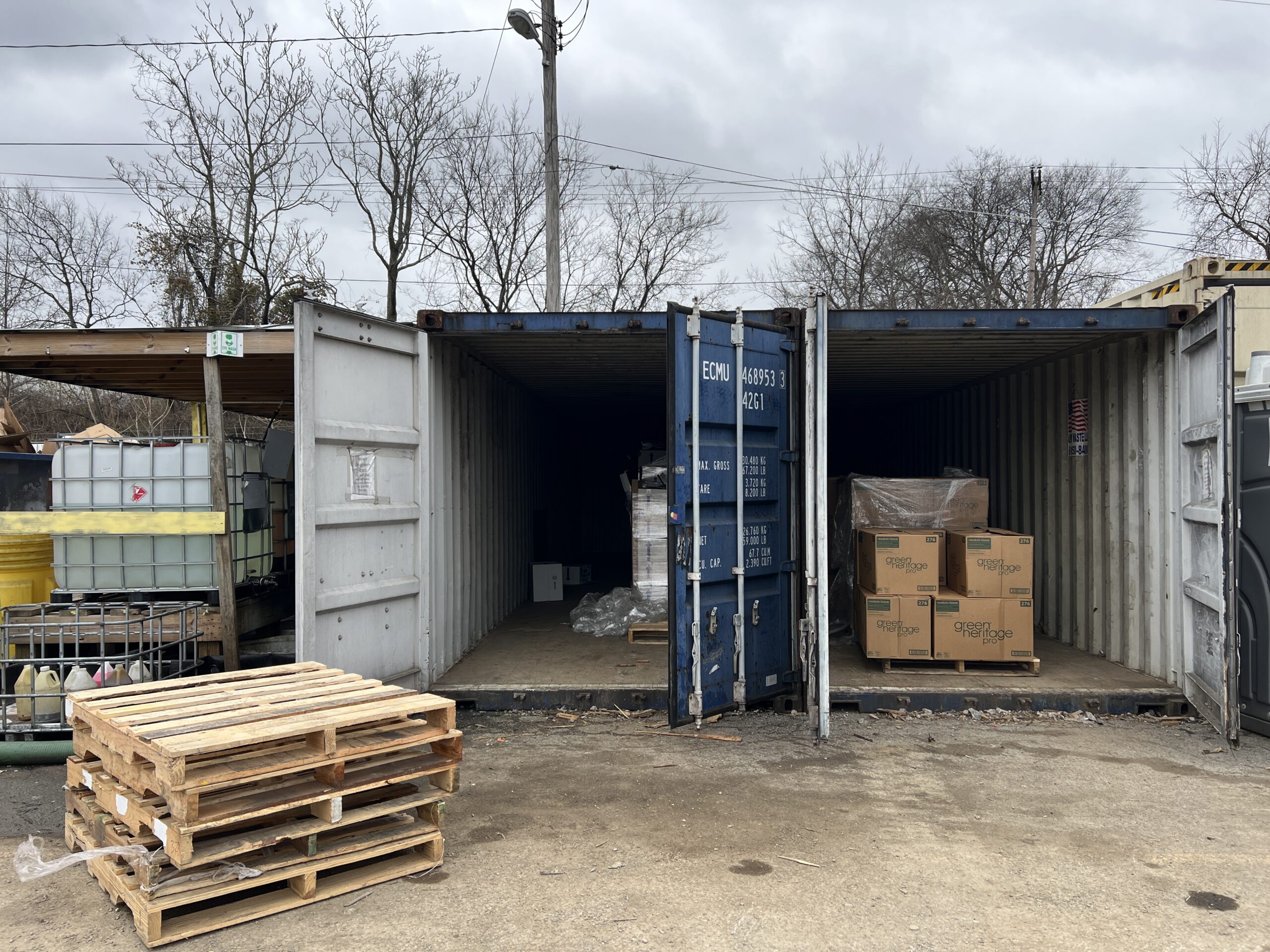
Storage Container Rentals in Dade County, Tennessee
Call today for a free quote (423) 719-5081
Storage Container
Fast, Easy, & 100% Free To Get Started
Decades of Proven Excellence
For more than 20 years, our storage container company has excelled in Dade County, earning a robust reputation through active community involvement and a steadfast dedication to quality. We pride ourselves on being a dependable partner, consistently prioritizing customer satisfaction with each rental.
Exceptional Quality Assurance
Our unwavering commitment to quality ensures each Storage Container meets rigorous standards for durability and security. By prioritizing customer satisfaction, we deliver exceptional service through swift, professional care, creating a seamless experience.
Swift and Dependable Delivery
Fast delivery is at the core of our service, ensuring you have access to secure storage containers exactly when you need them. Our efficient logistics and committed team work to meet tight schedules and exceed expectations with every rental.
Reliable Storage Solutions in Dade County
Call for a Free Quote Today
(423) 719-5081
Located in the heart of Dade County, our storage container company prides itself on being locally owned and operated, providing reliable and dependable solutions tailored to your needs. Whether you're managing a construction site, organizing a community festival, hosting an outdoor wedding, or planning a private party, our containers ensure your belongings are securely stored. Serving Dade County and its surrounding areas, we prioritize customer satisfaction with our quality containers that stand up to the elements. Our professional team ensures timely delivery and placement, making the setup process hassle-free. Trust us to offer competitive pricing and exceptional service, allowing you to focus on what matters most—enjoying your event and managing your projects with peace of mind. Choose us for excellent value and locally ingrained expertise.
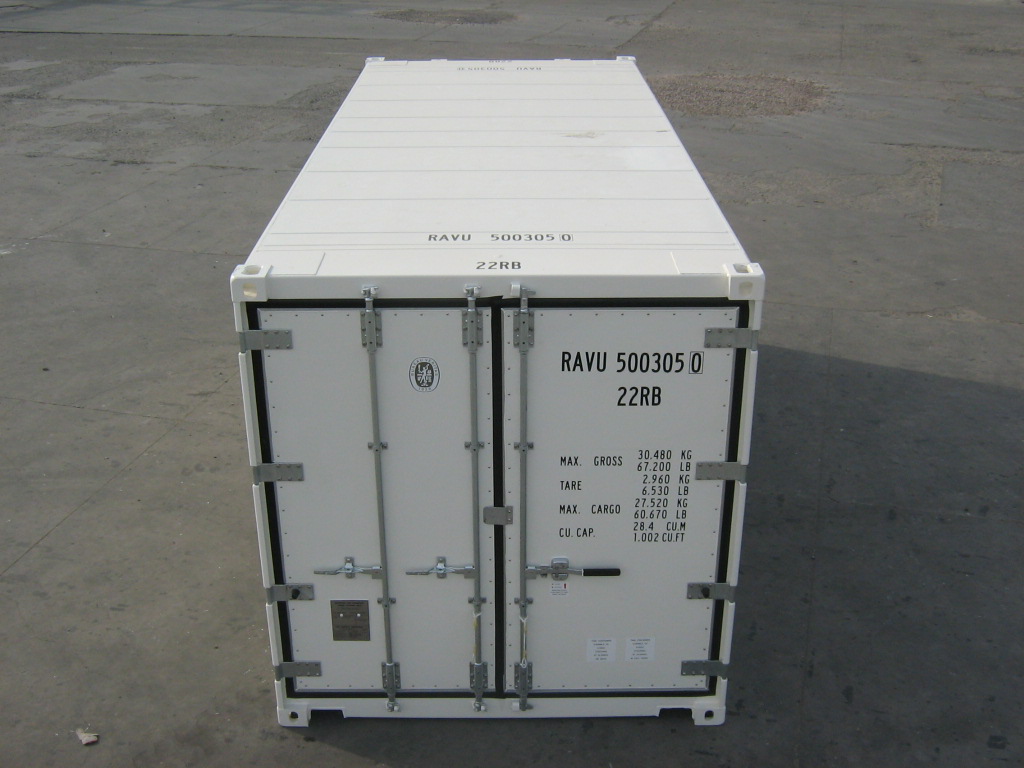
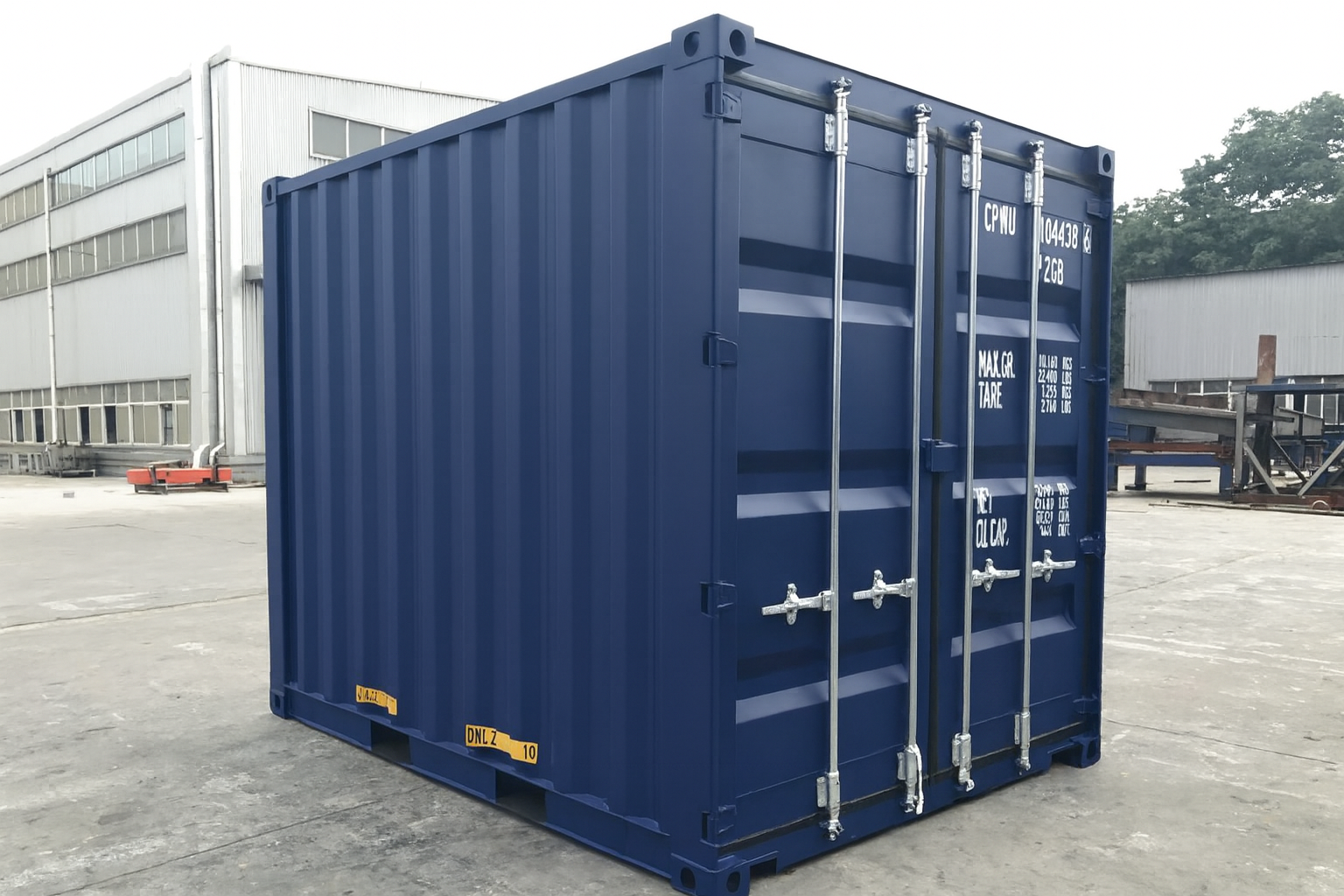
10-Foot Storage ContainerDimensions: 10′ × 8′ × 8′Capacity: ~640 ft³Perfect for small moves, dorm clean-outs, or seasonal overflow.
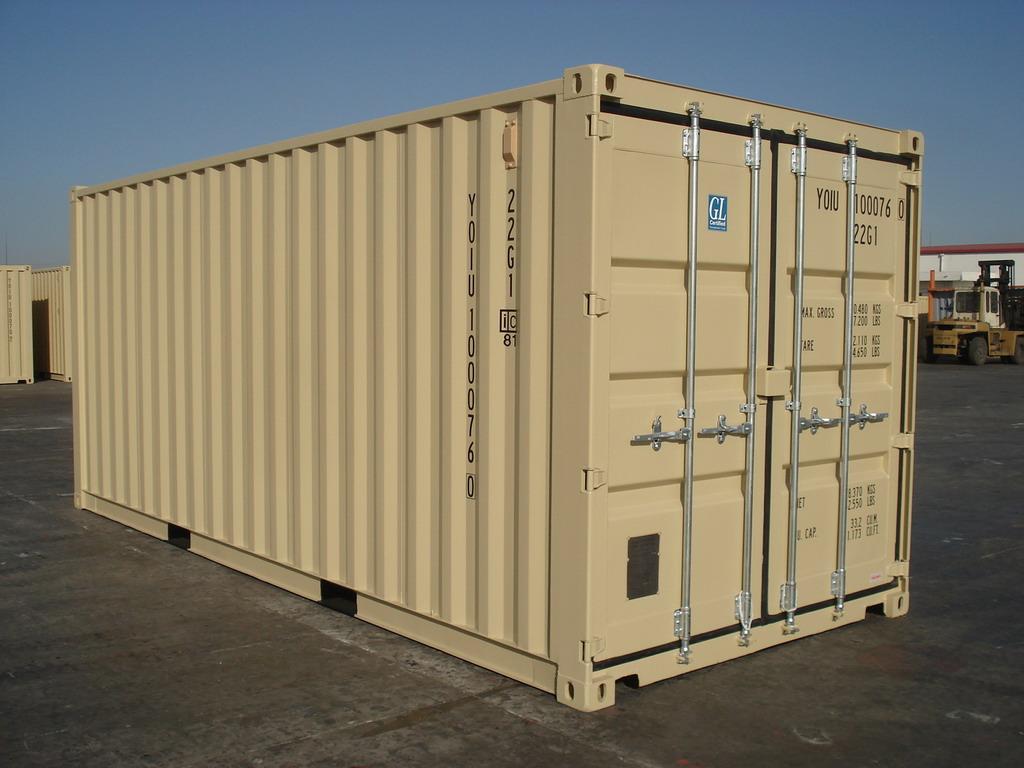
20-Foot Storage ContainerDimensions: 20′ × 8′ × 8′Capacity: ~1,360 ft³Ideal for apartment relocations or business inventory needs.
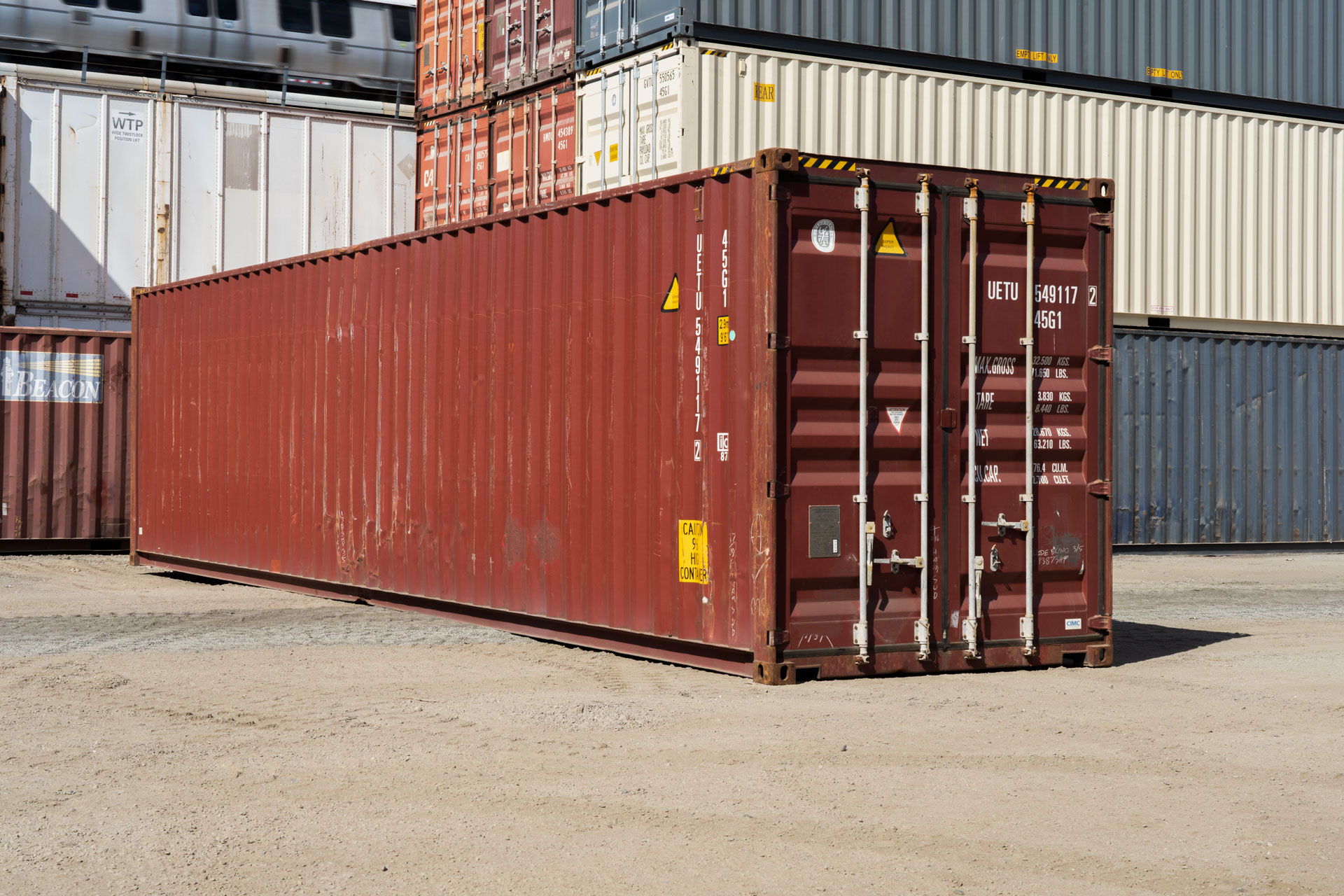
40-Foot Storage ContainerDimensions: 40′ × 8′ × 8′Capacity: ~2,720 ft³Suited for full-house moves, large equipment, or commercial warehousing.
We Proudly Serve
Standard Portable Toilets
Standard Portable Toilets by The Bolles Co deliver clean, convenient solutions across Tennessee.
High Rise Portable Toilets
Our High Rise Portable Toilets ensure comfort and accessibility in Dade County.
Restroom Trailers
Restroom Trailers from The Bolles Co offer luxury and scalability for your Dade County events.
Roll off Dumpsters
The Bolles Co Roll off Dumpsters provide reliable waste management solutions in Dade County.
Septic Tank Cleaning
The Bolles Co offers professional Septic Tank Cleaning services throughout Tennessee, ensuring cleanliness and efficiency.
Grease Trap Cleaning
In Dade County, Grease Trap Cleaning by The Bolles Co ensures optimal performance and compliance.
Fencing & Barricades
Fencing & Barricades by The Bolles Co add security and control to any Tennessee project.
Residential Storage
Residential Storage services in Dade County provide secure and accessible solutions for all your needs.
Dade County Storage Solutions
Getting a quote for a storage container rental in Dade County is a straightforward process designed with your convenience in mind. Our website is equipped with easy-to-use forms located at both the top and bottom of each page, allowing you to request a quote at your convenience. Simply fill out your first name, last name, phone number, and email to get started. You'll find 'Get A Quote' buttons strategically placed throughout the site, ensuring that assistance is never more than a click away. Once you reach out, our dedicated team quickly assesses your storage needs to offer tailored solutions that align with your project timelines and budget. We pride ourselves on our transparent pricing and commitment to providing value with every rental. Delivery is just as seamless—our efficient logistics team ensures that containers are delivered promptly and placed exactly where you need them, minimizing disruption and maximizing convenience. Choose us for your storage needs and experience service focused on simplicity and reliability.
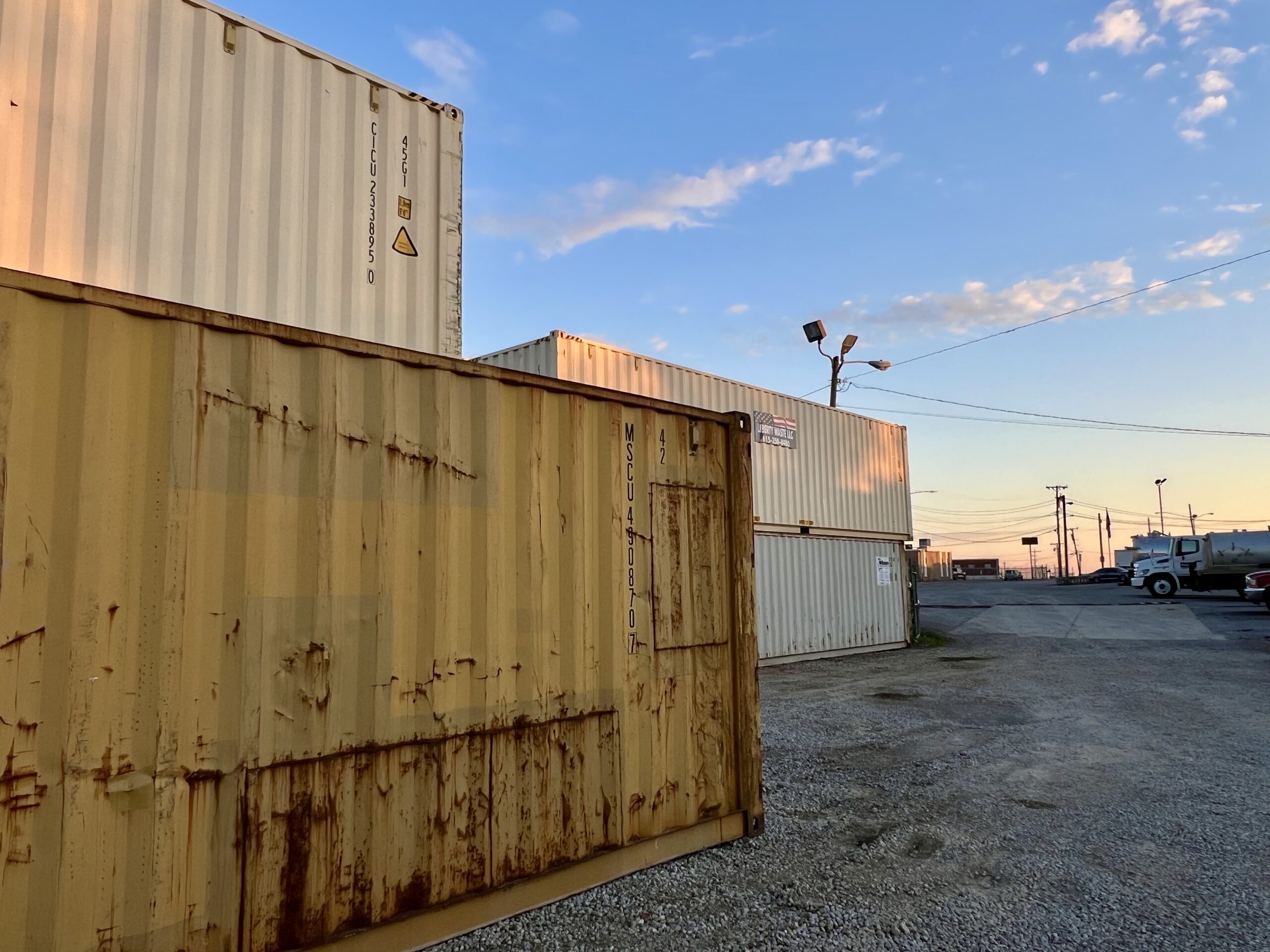
Discover the charm of Dade County, where natural beauty meets convenience with our storage container solutions. Nestled amid the rolling hills and lush landscapes near the stunning Cloudland Canyon State Park, this region offers both residents and visitors ample opportunities for outdoor recreation. Our storage containers seamlessly integrate into these settings, providing secure and weather-resistant storage during your adventures. Local events, including the festive Dade County Agricultural Fair, play a key role in our community, blending vibrant festivals with intimate gatherings. Our services enhance these experiences by delivering the clean, durable, and reliable storage solutions that Dade County residents can depend on. Whether it's a family reunion or a public event, our containers are the perfect choice to ensure everything runs smoothly. Proximity to nature is one of Dade County's defining features. Our storage containers bring additional convenience to any outdoor venture, keeping your equipment safe and accessible. With a strong reputation built on trust and local expertise, we remain dedicated to enhancing the community's lifestyle with every service we provide.
When it comes to storage solutions in Dade County, choosing us means opting for reliability and quality you can trust. Our company stands out due to our deep roots in the community, where we understand the unique needs of our local customers. Years of experience have equipped us with the expertise to offer the best storage solutions that meet the diverse needs of our clients.Our containers are not only durable but also aesthetically pleasing, blending effortlessly into their surroundings. We offer specialized customer support that is both informative and attentive, reflecting our commitment to customer satisfaction. Our competitive pricing and strong local presence make us the preferred choice for residents seeking exceptional storage options.Investing in our services means more than just renting a storage container—it's about becoming part of a community that values quality and trust. We aim to meet and exceed expectations, ensuring that every interaction enhances the reputation we've built over the years.
Speed and reliability are at the core of our service commitment. Our team ensures your storage needs are met with exceptional promptness, providing peace of mind when time is of the essence. Whether it's a last-minute event or a pre-planned requirement, count on us to deliver swift solutions tailored to your schedule.Our comprehensive service infrastructure enables us to offer quick turnaround times without compromising on quality. We pride ourselves on delivering clean, secure storage containers where and when you need them, backed by a knowledgeable team ready to assist with expert advice. Your satisfaction and convenience drive our operations, ensuring that every experience is as seamless as possible.
Dade County Storage Container Insights
Renting a storage container in Dade County is a straightforward process designed for maximum customer convenience. To begin, interested customers are encouraged to visit our website where they will easily find 'Get A Quote' buttons prominently displayed. These buttons direct users to our quick-contact form, which is located conveniently at the top and bottom of each webpage. Providing a seamless experience, the form itself is uncomplicated and requests basic contact information: first name, last name, phone number, and email.Once the form is completed and submitted, potential renters can expect an immediate follow-up from our dedicated customer service team. We are committed to a timely response, ensuring that each inquiry is met with the attention it deserves. Our team possesses a wealth of knowledge about container rental options, pricing structures, and delivery logistics, and they are more than happy to guide customers through each step.The rental process not only guarantees competitive pricing but also includes assistance with delivery and placement of the storage container. Customers can rely on our experienced staff to ensure a hassle-free installation on-site, maximizing the utility of our storage options without inconvenience. Our priority is to deliver a comprehensive service package that goes beyond initial contact, providing ongoing support throughout the rental period.Many of our satisfied customers appreciate the ease of direct communication through multiple channels—whether by phone, email, or in person at our Dade County location. We take pride in maintaining transparency and efficiency, setting us apart from competitors who may complicate the rental process. Ultimately, choosing us for storage solutions means choosing reliability and superior service tailored to meet your specific needs.In short, with a strategic focus on convenience, searching for and securing your required storage in Dade County is never more than a few clicks away. Explore the options available through our well-crafted website and discover how simple it is to get started on your next storage container rental.
The typical delivery timeframe for a storage container order varies based on a range of factors such as current demand, location accessibility, and specific customer requirements. However, we pride ourselves on offering some of the fastest and most efficient distribution times in the industry, often completing deliveries within just a few days upon order confirmation.Our logistics team is committed to maintaining prompt communications, ensuring that every customer is kept informed from the moment an order is placed to the final delivery on-site. Depending on the specific needs of the customer, we can accommodate both standard and expedited delivery requests to ensure timely access to a storage solution. We emphasize flexibility and receptiveness as a coordinated supplier of storage containers, often delighting clients who require last-minute adjustments or quick turnarounds.It should be noted that unforeseen events like inclement weather or traffic conditions could occasionally extend delivery times, but we remain transparent in all circumstances and inform our customers of any changes or issues as they arise. Most importantly, we strive to minimize disturbances by scheduling deliveries at convenient times, aligning with our mission to always put the customer first.When you place an order with us, rest assured that we handle each request with a sense of urgency and professionalism. Reports of our high customer satisfaction ratings confirm our status as a trusted provider within the storage container market. We take great care to prevent delays with meticulously timed scheduling and prior site inspections if necessary.Choose us as your storage partner and benefit from the peace of mind that comes with knowing you're in capable hands. We are dedicated to providing fast, reliable, and friendly delivery services that have distinguished us from other providers in the region.
Indeed, we are equipped to service a wide array of events and construction projects with our comprehensive inventory of specialized storage solutions and accessories. No matter the size or scope, our team prides itself on meeting the unique needs of every customer with efficiency and professionalism.Our extensive service capabilities extend to festivals, sporting events, and a variety of special occasions including weddings, corporate events, and family reunions. In catering to these, we provide an assortment of luxury restroom trailers, convenient porta-potties for large gatherings, and roll-off dumpsters ideal for managing waste.Beyond this, our repertoire of services includes the deployment of robust and reliable fencing and barricades, essential for crowd control and safety management. Complementing our primary value offerings, we also feature hand sanitization stations and portable sinks as part of our auxiliary services, ensuring that hygiene standards are met.We are committed to excellence in operational execution, demonstrated by our ability to adapt and customize solutions that directly address the unique demands of each event. Clients trust us as a versatile partner capable of delivering high-quality products and services, without the unexpected headaches or delays often experienced with other providers.No project is too challenging for our team, and we maintain a flexible approach to handle complex logistics effortlessly. If needed, knowledgeable advisors are available to assist clients in pre-planning stages, lending expertise in logistics management and product choice, leading to a successful event outcome.Ultimately, clients who select our services benefit from a seamless integration of practical storage and service solutions, thus simplifying their operations. Achieving worry-free experiences is our ultimate aim.
